
The first Standab parking rack launches with Voi.
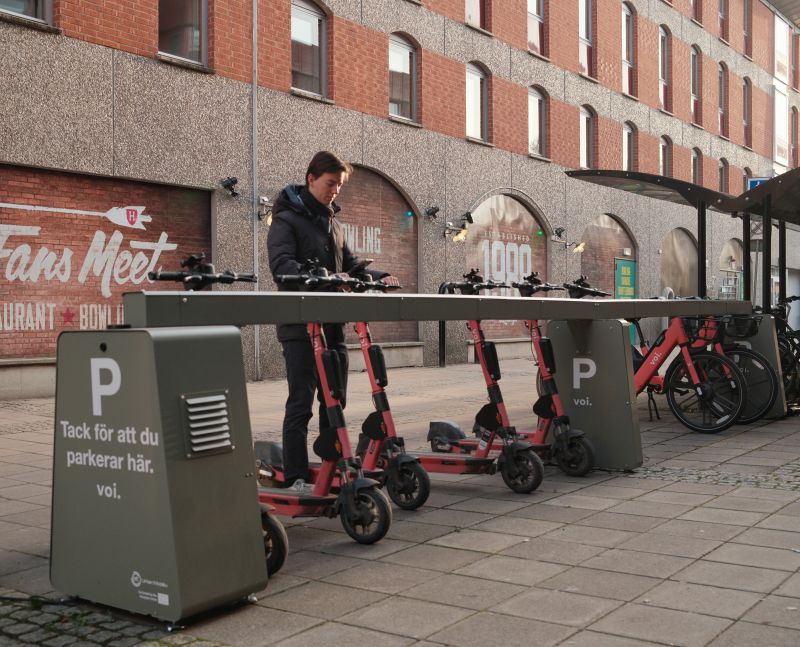
Standab built its first parking-only rack without charging together with Voi. The test rollout placed around ten racks on privately owned, publicly accessible sites in Stockholm.
About
Standab was created to close the physical gap between shared fleets, public space, and city-scale operations.

We build physical systems that create order in public space and make shared fleets easier to operate, charge, and scale.
Shared mobility with a fixed place in the city.
A city where shared vehicles are useful, available, and physically integrated into the transport system.
To build the infrastructure layer for shared micromobility.
We combine parking, charging, and operational data so cities get order and operators get reliable fleet performance.
Designed for long-term deployment and real urban conditions.
Built for weather, load cycles, public space requirements, and years of daily use.
Standab started with a simple observation: micromobility had vehicles, apps, and demand, but no physical layer built for the city.
Standab built its first parking-only rack without charging together with Voi. The test rollout placed around ten racks on privately owned, publicly accessible sites in Stockholm.

Parking-only racks are placed in St. Hanshaugen to improve e-scooter parking and make public space easier to navigate for vulnerable groups.

The parking-only rack design is tested in another UK setting, helping refine the system before wider city deployments.

Research from TØI finds that physical parking racks and painted parking spots can improve e-scooter parking behavior over time.
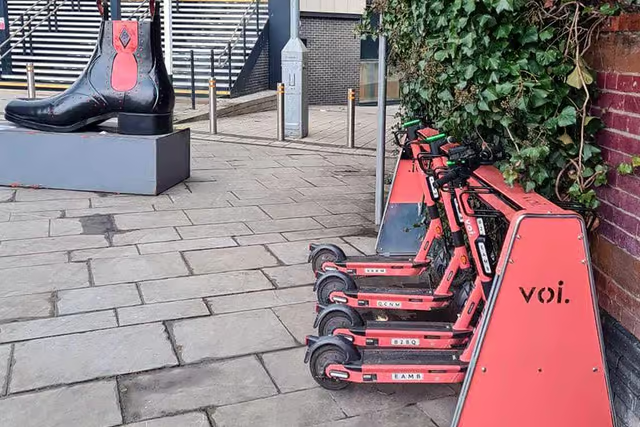
Parking-only racks are placed at Northampton railway station and in the town centre to create clearer, more visible places for shared scooters.
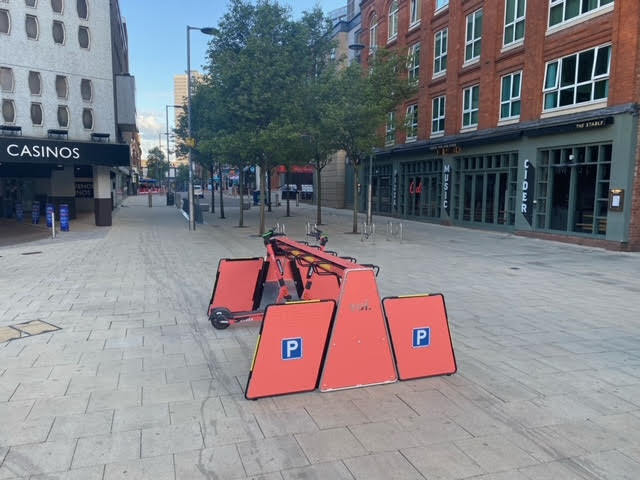
The Northampton rollout follows consultation with local partners and RNIB, using physical racks to keep scooters organized and pedestrian routes clearer.

Together with Jelbi, Voi introduces parking stations around mobility stations, giving shared scooters a clearer place in the transport network.
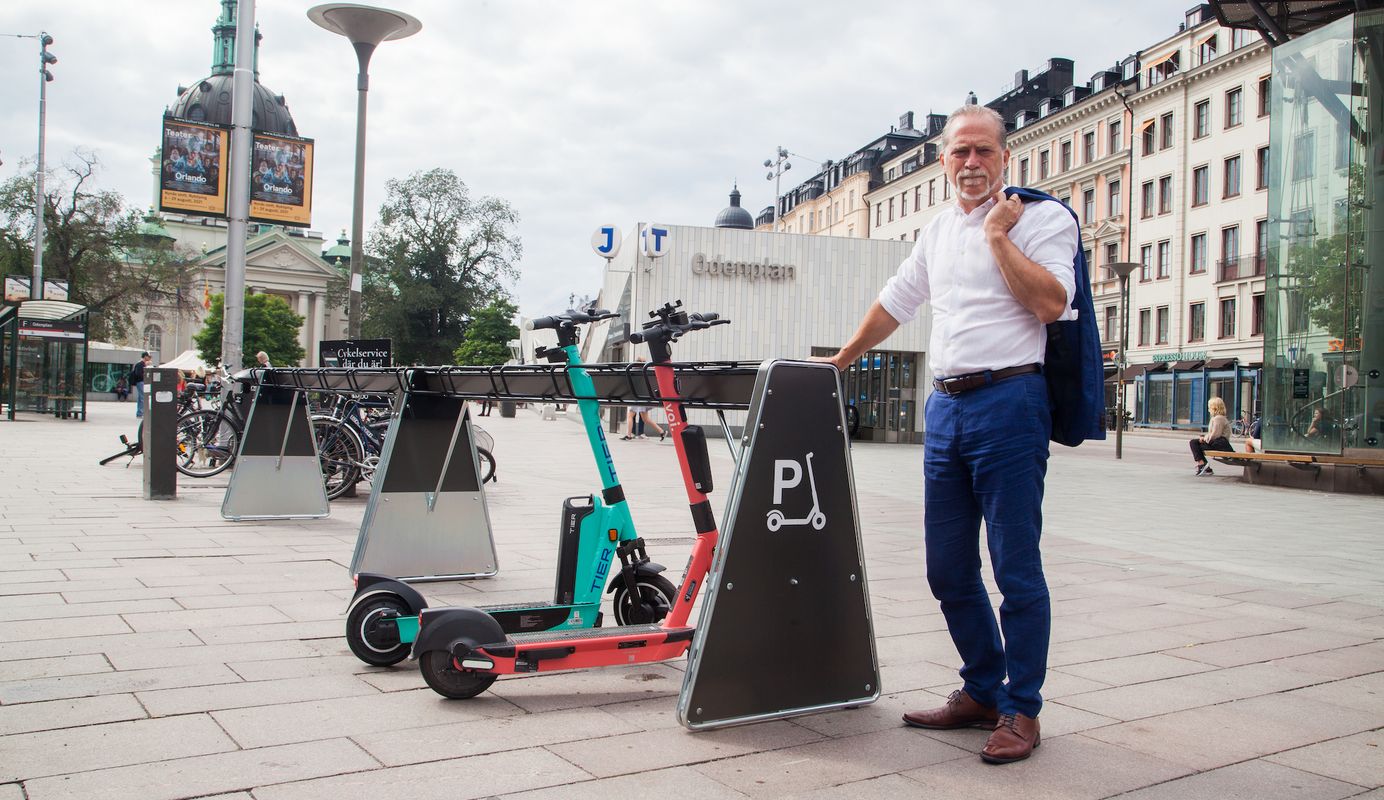
Parking-only racks are used by multiple operators, showing how shared micromobility can be organized through common physical infrastructure.
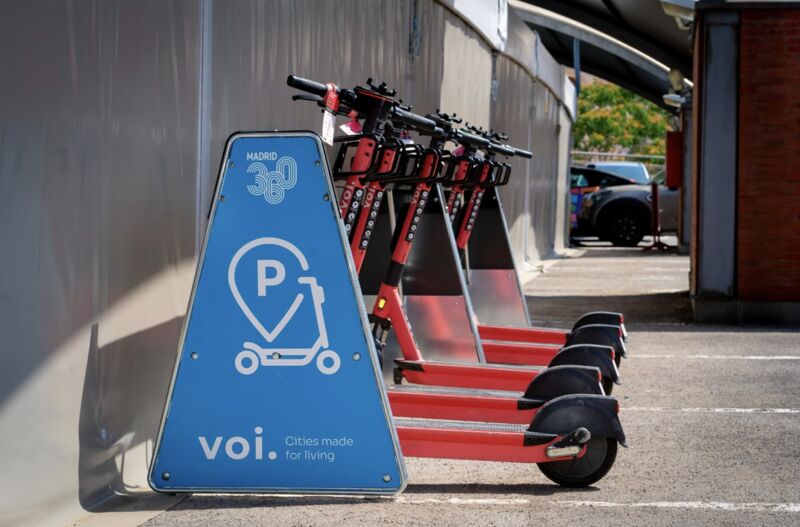
Together with Voi and local partners, the rack is installed at Parking 2 de Atocha to connect shared scooters with public transport.
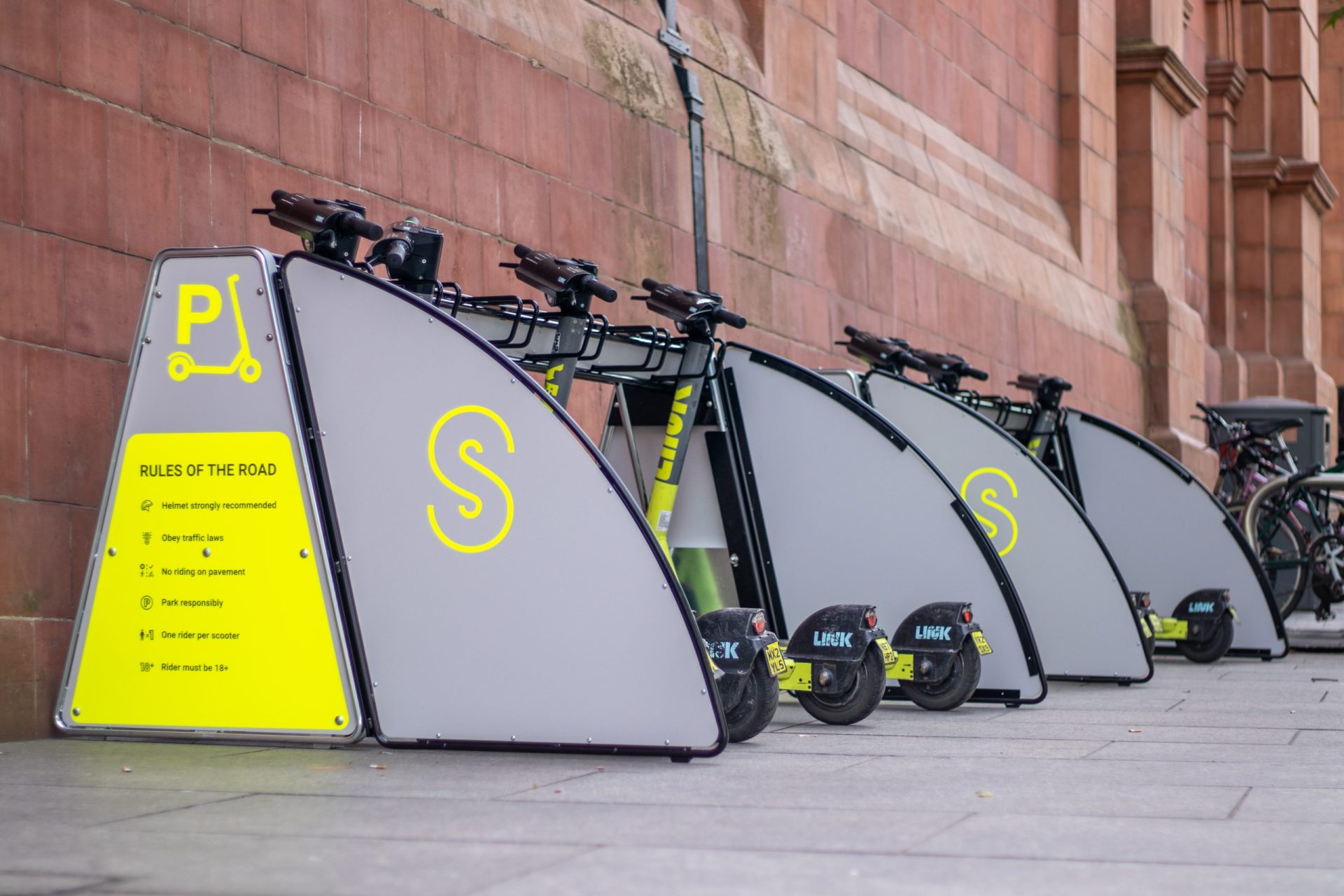
Ten modular stations are deployed with Superpedestrian and Nottingham City Council, each designed to hold five e-scooters and keep pavements clearer.
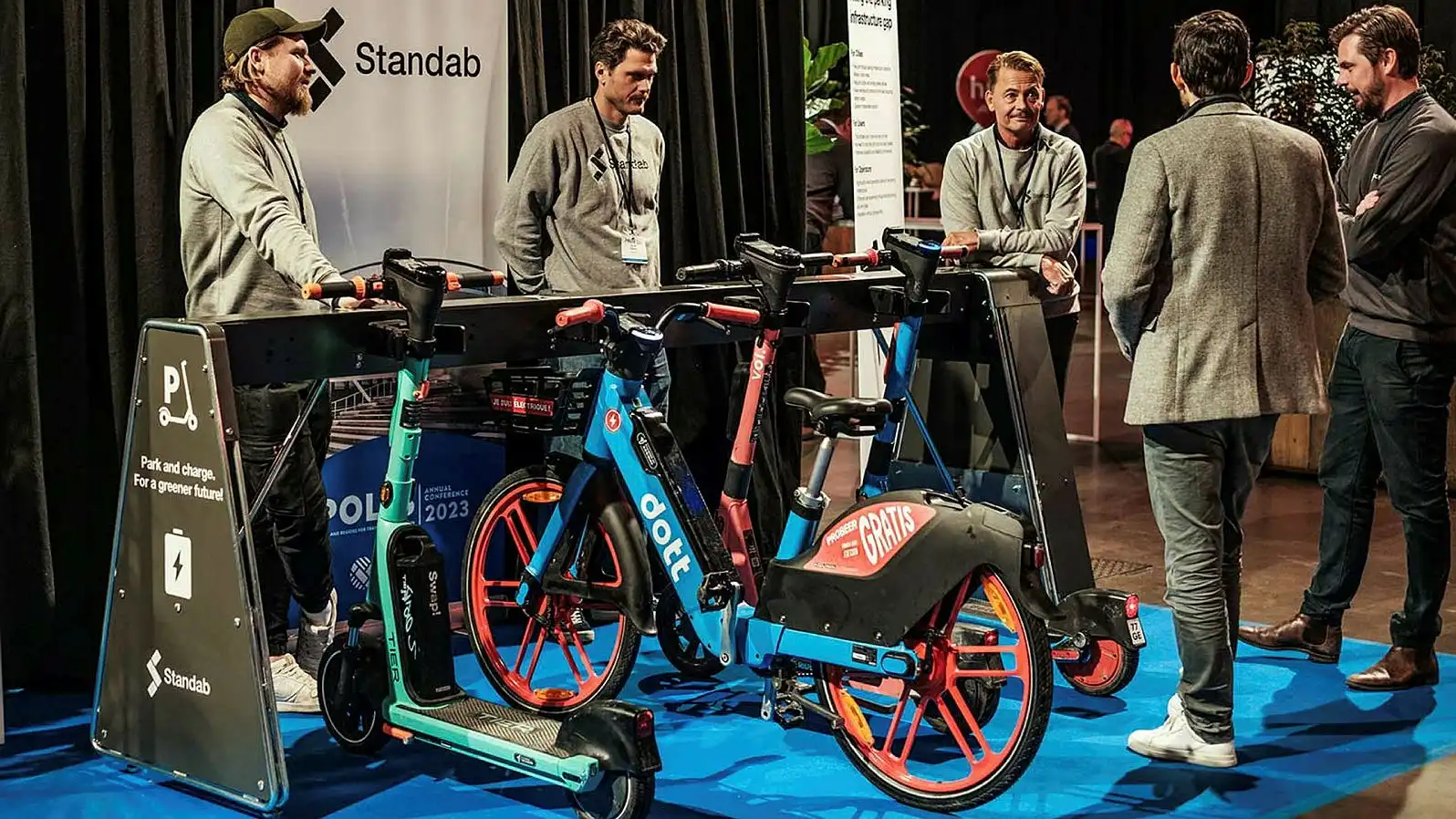
The parking rack evolves into park-and-charge infrastructure, built to support shared scooters and e-bikes across operators.
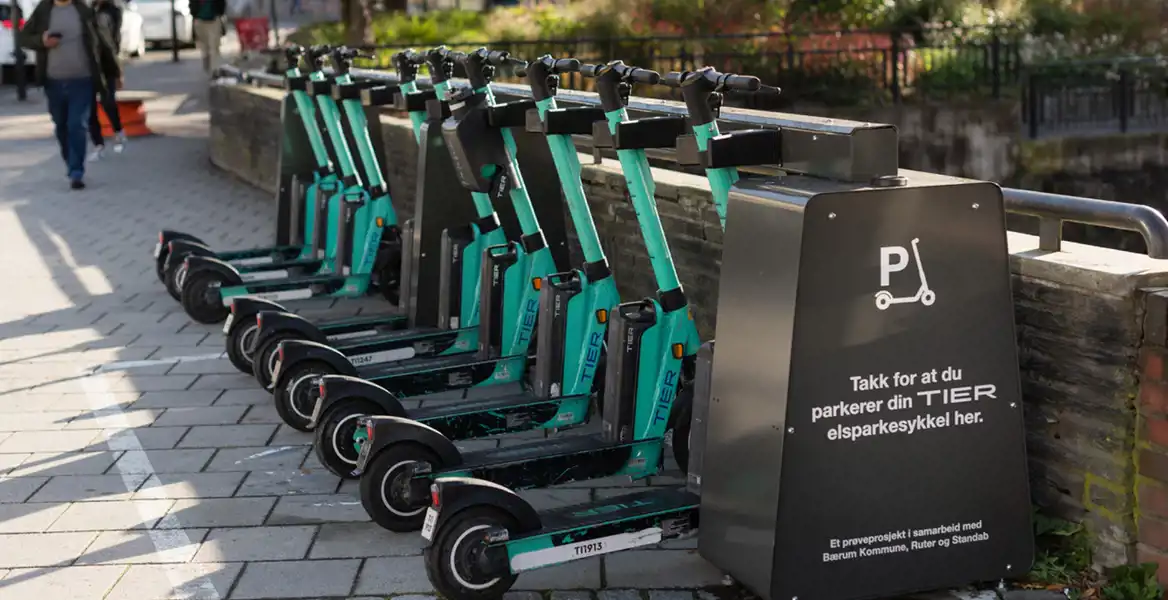
Six charging stations are piloted outside Oslo, where 71% of rides ending within 50 metres of a station are docked correctly without user education.
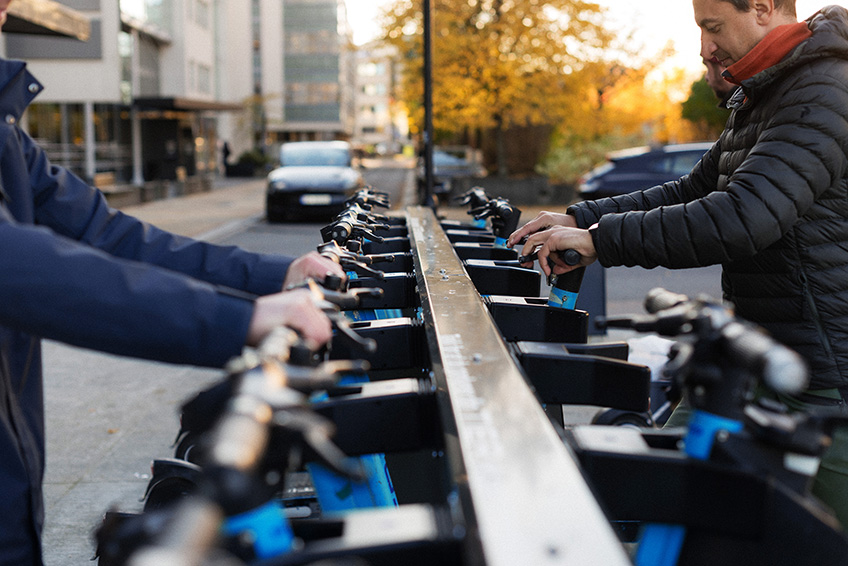
Standardized charging infrastructure begins rolling out with Dott in selected cities, designed to reduce battery handling and bring parking and charging into one infrastructure layer.

The funding supports expansion across Europe and the rollout of standardized charging stations compatible with most shared e-bike and e-scooter fleets.
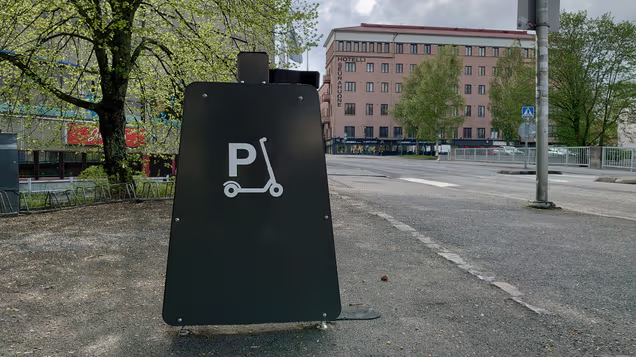
Together with Dott and the City of Kokkola, Standab installs eight central charging parking stations to improve availability, support reduced battery handling, and create cleaner city-centre parking.
The deployment adds physical charging infrastructure to an already regulated micromobility system, improving parking order and operational efficiency.
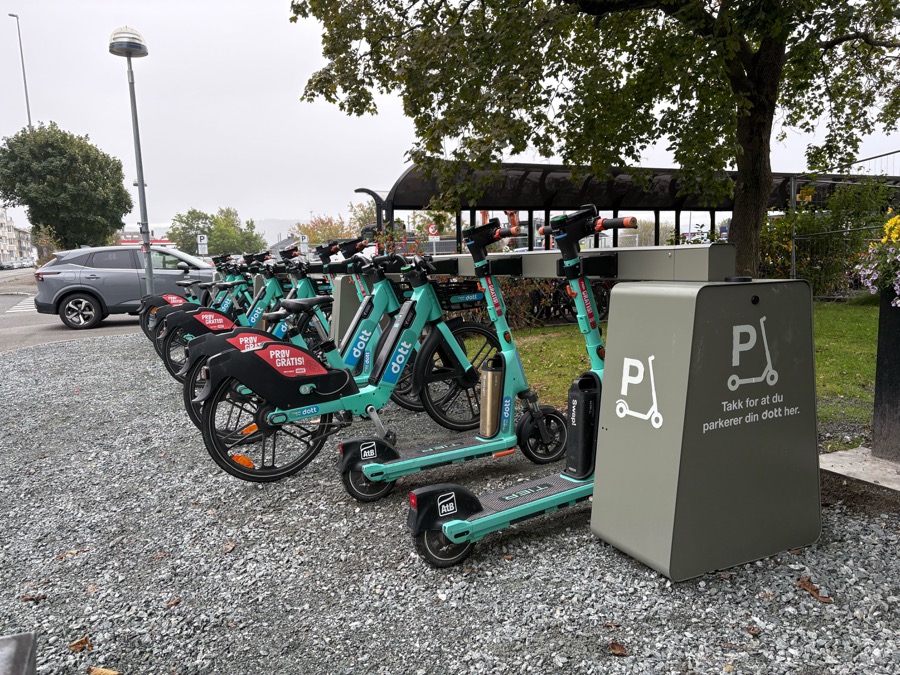
Together with AtB, Dott, Nivel, and Stjørdal Municipality, the autumn pilot targets better parking culture, lower service costs, higher utilization, and reduced battery handling.
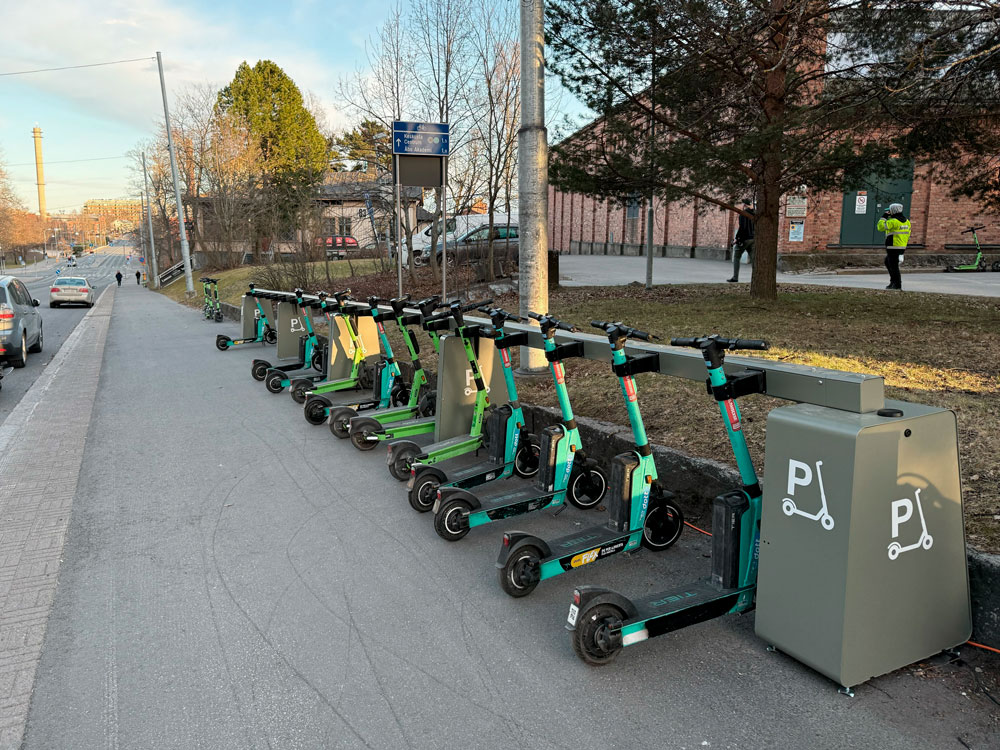
Vasa joins the Standab network with central charging parking stations, extending the Finnish footprint alongside Kokkola.